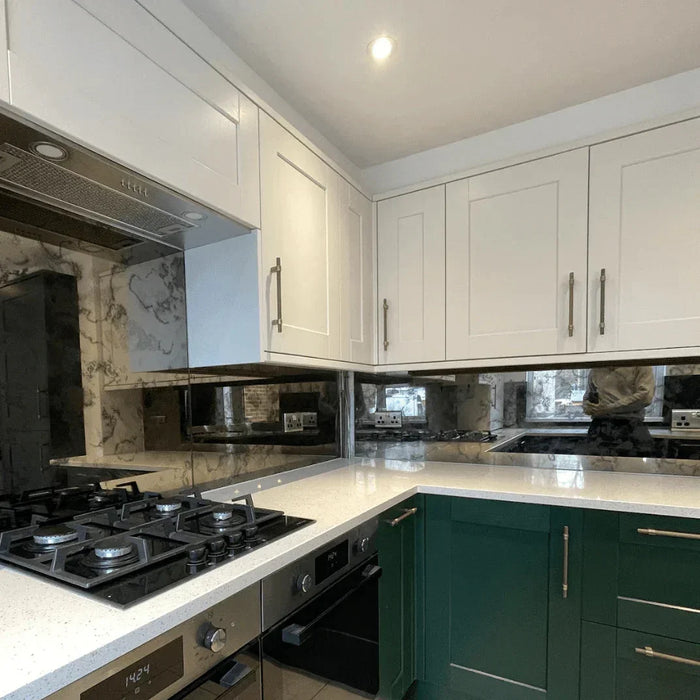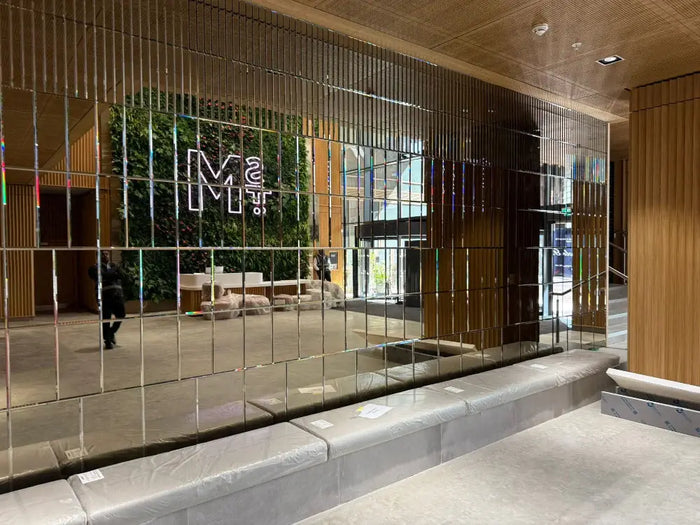

Laminated glass is a type of safety glass. This laminated glass consists of two or more layers of glass. These layers are bonded together. A plastic interlayer is used. This interlayer is usually made of PVB. PVB stands for Polyvinyl Butyral. The bonding process involves heat and pressure.
This construction gives laminated glass unique properties. It is much stronger than ordinary glass. It resists shattering when broken. The plastic interlayer holds the glass fragments together. This reduces the risk of injury. It also provides added security.
Understanding the Composition

Let's delve deeper into what makes up laminated glass. As mentioned, it starts with at least two panes of glass. These panes can vary in thickness. The type of glass can also vary. For example, annealed or toughened glass can be used.
Between these glass layers lies the crucial interlayer. PVB is the most common material. However, other materials like EVA are also used. EVA stands for Ethylene-Vinyl Acetate. The interlayer is flexible and adhesive. It's what gives laminated glass its safety features.
The manufacturing process is precise. The glass panes and interlayer are first cleaned. They are then assembled. This assembly goes through a heating process. This is called "nipping" or "pre-pressing". This removes most of the air.
Finally, the assembly is placed in an autoclave. An autoclave is a high-pressure oven. Here, heat and pressure are applied. This ensures a strong and permanent bond. The result is a single, robust sheet of laminated glass.
The Benefits of Laminated Glass
Laminated glass offers numerous advantages. Its safety aspect is paramount. If broken, the fragments remain attached. This prevents sharp pieces from scattering. This significantly reduces the risk of cuts and injuries.
Security is another key benefit. The tough interlayer makes it difficult to break through. This provides a barrier against intruders. It can deter burglaries and vandalism. This is especially important in vulnerable areas.
Noise reduction is another valuable property. The plastic interlayer dampens sound waves. This makes laminated glass an excellent choice. It is ideal for noisy environments. Think of busy roads or airports. It helps create quieter and more comfortable spaces.
UV protection is also a significant advantage. The PVB interlayer can block up to 99% of harmful UV rays. This helps protect interior furnishings from fading. It also safeguards occupants from UV exposure.
Durability is another important factor. Laminated glass is resistant to weathering. It can withstand various environmental conditions. This ensures a long lifespan for the glass. It reduces the need for frequent replacements.
Where is Laminated Glass Commonly Used?
The unique properties of laminated glass make it versatile. It finds applications in various sectors. Let's explore some common uses.
Automotive Industry: Windscreens are a prime example. Laminated glass is crucial for driver and passenger safety. In case of an accident, it prevents ejection from the vehicle. It also stops flying glass shards. Side and rear windows may also use laminated glass. This enhances security and reduces noise.
Construction and Architecture: Laminated glass is widely used in buildings. It's found in windows, doors, and skylights. Its safety features are essential in public spaces. Balustrades and railings often use laminated glass. This provides safety without obstructing views.
Commercial Buildings: Shop fronts benefit from laminated glass. It offers security against break-ins. Display cases also use it to protect valuable items. Office partitions made of laminated glass enhance safety and reduce noise.
Residential Properties: Homeowners are increasingly choosing laminated glass. It improves security against intruders. It also provides noise reduction for a more peaceful environment. Patio doors and large windows are common applications.
Specialised Applications: Laminated glass is used in aquariums. It can withstand the immense pressure of water. Museums and galleries use it for display cases. This protects valuable artefacts. It's also used in sound studios. It helps to create soundproof environments. Prisons and psychiatric institutions use it for security.
Laminated Glass at CreoGlass
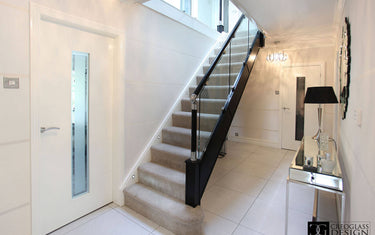
We specify toughened laminated glass wherever a panel must stay in place even if it breaks, most often in our frameless glass balustrades for staircases, landings and balconies. Read more in our frameless glass balustrades guide and our office glass partitions planning guide.
Conclusion: The Versatility of Laminated Glass
Laminated glass is a remarkable material. Its unique construction offers a blend of safety, security, and other benefits. Its applications are diverse. From the cars we drive to the buildings we inhabit. It plays a crucial role in ensuring safety and comfort.
Its ability to resist shattering is vital. It protects us from injury. Its security features deter intruders. Its noise reduction properties enhance our living and working spaces. Its UV protection safeguards our health and belongings.
For industry guidance and standards, see the Glass and Glazing Federation (GGF) and the British Standards Institution (BSI).
Planning a glass balustrade or safety-critical glazing? Explore our premium glass balustrade systems or request a free site survey and quote.